Expert-Backed Wrist Pain Relief Strategies for Faster Healing
Discover Effective Wrist Braces for Optimum Wrist Pain Alleviation and Support
Wrist pain is a typical issue that impacts several individuals, stemming from different reasons such as repetitive pressure or injuries. Discovering the appropriate wrist brace can make a significant difference in handling this discomfort. Various kinds offer differing degrees of support, dealing with details requirements and conditions. Understanding the functions that improve convenience and stability is essential. Pain Relief. What alternatives exist for those seeking relief? The exploration begins here
Understanding Wrist Pain: Symptoms and reasons
Although wrist pain can arise from various sources, understanding its causes and signs is essential for reliable administration. Frequently, wrist discomfort can be associated to repetitive strain injuries, joint inflammation, fractures, or tendonitis. Recurring movements, such as inputting or playing sports, might cause swelling and pain. Arthritis, particularly osteo arthritis and rheumatoid joint inflammation, can cause chronic pain and tightness in the wrist joint. Fractures frequently occur as a result of falls or accidents, triggering prompt and extreme discomfort, swelling, and minimal movement. Tendonitis, swelling of the tendons around the wrist, can manifest as discomfort during movement and inflammation upon touch. Signs and symptoms accompanying wrist pain may include swelling, heat, and minimized series of activity. Acknowledging these signs and their potential underlying reasons enables individuals to look for timely clinical treatment and explore appropriate treatment options for relief and healing.
The Value of Correct Wrist Support
Appropriate wrist support plays a necessary function in protecting against additional injury and facilitating recuperation. By maintaining the wrist, braces can minimize strain on impacted areas, permitting healing. This support is essential for individuals handling chronic pain or recuperating from an injury.
Protecting against Additional Injury
Wrist support plays an essential function in preventing additional injury for people experiencing discomfort or stress. Correct wrist supports maintain the joint, limiting too much activity that might get worse status quo such as tendonitis or carpal tunnel syndrome. By providing targeted support, these braces aid to distribute pressure evenly throughout the wrist, decreasing the threat of irritating nerves and tendons. Additionally, they urge correct alignment during tasks, which is vital for preserving wrist health and wellness. People involving in recurring movements, such as keying or sports, specifically take advantage of wearing helpful braces. On the whole, incorporating wrist support right into daily regimens can significantly alleviate the possibilities of more injury, allowing individuals to keep their tasks while prioritizing their wrist health.
Enhancing Healing Process
Effective wrist support is important for enhancing the recuperation process following an injury or strain. Proper wrist braces give stability and immobilization, permitting the damaged area to recover without unneeded motion. They assist minimize discomfort and swelling, making it possible for people to take part in rehab exercises sooner and more properly. Additionally, sufficient support reduces the risk of re-injury during recuperation, promoting a much more reliable recovery environment. The right wrist brace can likewise encourage proper positioning and position, which are crucial for suitable healing. As cells repair, putting on a proper brace guarantees that activities continue to be within a risk-free range, helping with gradual strengthening and adaptability. Generally, purchasing reliable wrist support significantly adds to a successful recovery journey.
Kinds of Wrist Braces: Which One Is Right for You?
When picking a wrist brace, people need to consider their certain support level needs and the activities they involve in. Different braces supply varying degrees of stability and versatility, tailored for distinct usages. Recognizing these elements can help in selecting the most ideal option for efficient discomfort relief.
Support Level Needs
Choosing the best wrist brace entails recognizing the varying degrees of support they supply, which can considerably impact pain alleviation and recuperation. Wrist dental braces commonly come under three categories: light, modest, and optimal support. Light support dental braces, frequently made from elastic or breathable products, supply flexibility and appropriate for small strains or post-injury recovery. Moderate support choices offer extra security, usually incorporating splints, making them excellent for more significant injuries or conditions like tendonitis. Optimum support dental braces are rigid and immobilizing, designed for severe injuries, fractures, or post-surgical healing. Patients need to analyze their certain demands and consult health care specialists to guarantee they choose a brace that lines up with their support requirements for ideal outcomes.
Activity-Specific Options
Choosing the proper wrist brace extends beyond simply support degrees; it additionally includes thinking about the particular tasks that might intensify wrist pain or call for security. For those taken part in sporting activities, lightweight braces with adaptable products use support without limiting motion, ideal for professional athletes. Workplace workers, on the various other hand, may gain from ergonomic Check This Out braces developed to reduce stress from repeated activities. For individuals with chronic conditions, more inflexible alternatives give stability throughout everyday tasks. In addition, braces developed for evening use can aid incapacitate the wrist, advertising recovery while sleeping. Understanding the demands of different tasks permits people to pick a wrist brace customized to their lifestyle, making sure maximum comfort and security.
Features to Look for in a Wrist Brace
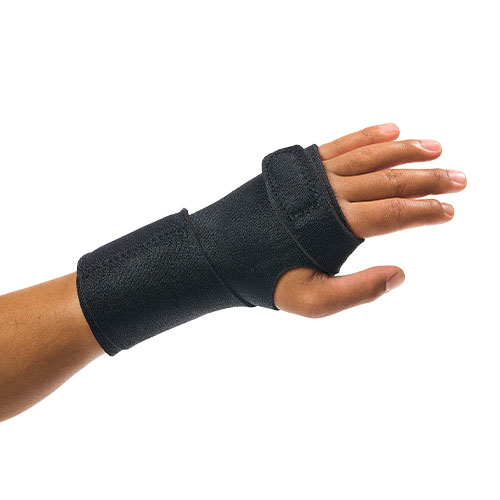
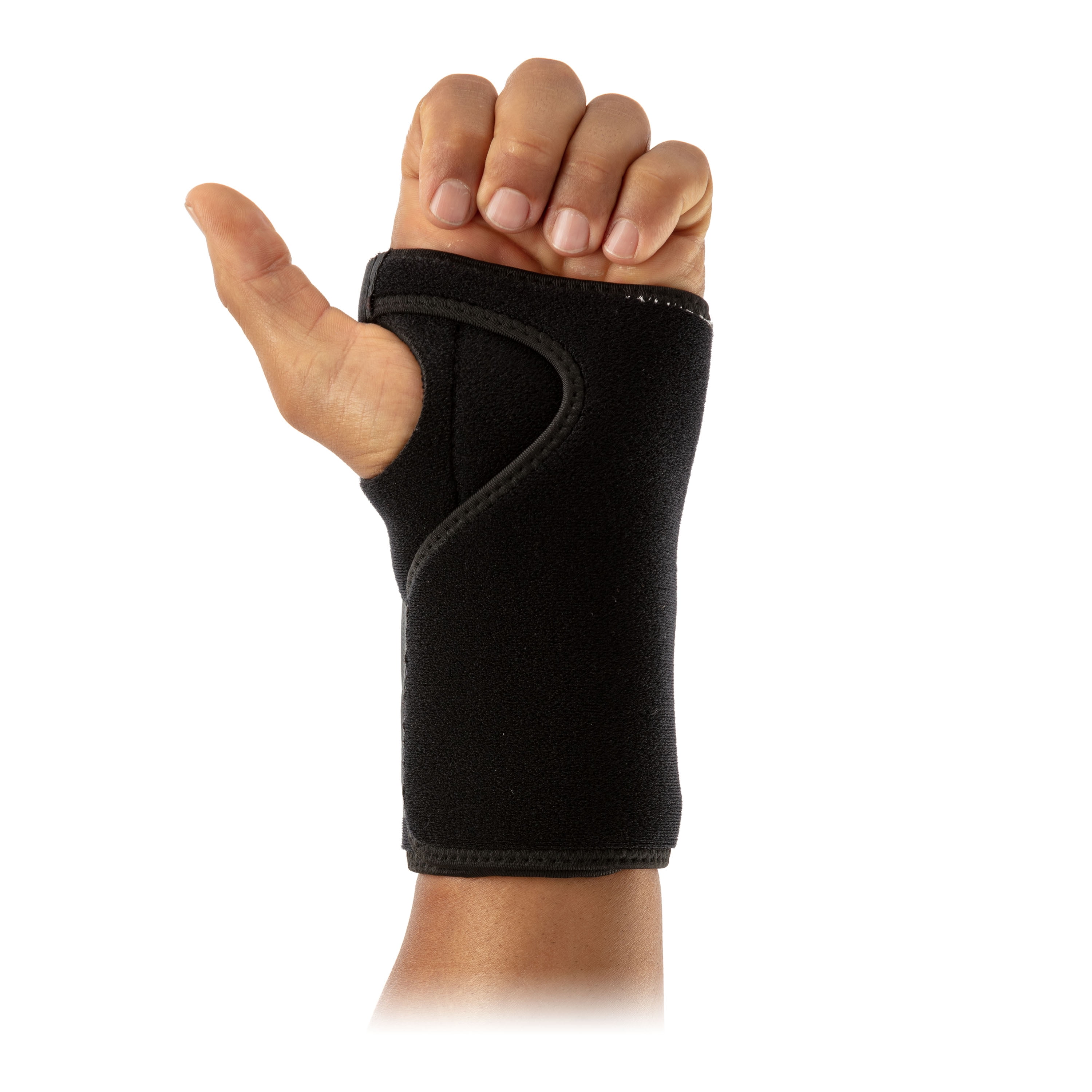
Although many wrist braces are offered on the market, not all offer the very same degree of support and comfort. When picking a wrist brace, several crucial features must be considered to guarantee optimal discomfort relief. The product is crucial; breathable materials enhance comfort during long term usage. Furthermore, flexible straps offer a personalized fit, permitting varying degrees of compression and support. A support with a semi-rigid or inflexible splint can stabilize the wrist properly, specifically for those recuperating from injury. Thinking about the brace's dimension and style is essential, as it should accommodate the individual's certain requirements without limiting activity exceedingly. Ultimately, very easy upkeep and cleanable products add to the total durability and hygiene of the brace. By concentrating on these features, individuals can choose a wrist brace that not only eases discomfort however also promotes healing and functionality.
Leading Recommended Wrist Braces for Pain Relief
A number of options stand out in the market today when it comes to locating efficient wrist dental braces for discomfort relief. The Mueller Green Fitted Wrist Brace is highly pertained to for its adjustable design and eco-friendly products, supplying both support and convenience. Another preferred option is the Futuro Night Wrist Rest Support, created specifically for nighttime usage, giving immobilization to ease pain throughout remainder. The Copper Compression Wrist Sleeve is admired for its lightweight fit and the infusion of copper, which might boost recuperation and minimize swelling. For those requiring more rigid support, the BraceUP Wrist Support flaunts a dual-splint layout, ensuring stability throughout daily activities. The Vive Wrist Brace provides versatility with its detachable splint, catering to both support and versatility. Each of these wrist supports has gathered positive reviews, making them top suggestions for people seeking reliable pain alleviation.
Just How to Correctly Put On a Wrist Brace
Just how can one guarantee the appropriate fit and feature of a wrist brace? It is important to choose the proper dimension, as a support that is too loosened or as well limited can prevent its efficiency. Determining the circumference of the wrist and describing the manufacturer's sizing chart can help in this process.
Next, when placing on the brace, one ought to verify that the wrist is located appropriately, aligning it with the brace's support structure. The brace should cover the wrist without limiting blood flow; subsequently, the straps should be tight yet not extremely limited.
Furthermore, the brace ought to permit for slight movement while offering appropriate support. It's essential to follow the manufacturer's directions for modifications and use period to boost convenience and efficiency. Appropriately wearing a wrist brace can noticeably add to suitable wrist pain relief and support.
Tips for Taking Care Of Wrist Pain Along With Brace Use
While using a wrist brace can substantially minimize pain, incorporating added techniques can improve overall wrist health. Initially, practicing regular extending and enhancing exercises can enhance adaptability and support the wrist's recuperation - Wrist Pain Relief. Gentle motions, such as wrist circles or finger bends, may decrease rigidity and promote blood circulation
In addition, applying ice or warm might supply momentary remedy for inflammation or pain. Ice packs can be made use of for acute pain, while warmth can relieve chronic concerns.
Maintaining appropriate ergonomics in day-to-day activities is essential (Wrist Braces). Adjusting workstations to promote a neutral wrist position can avoid additional strain
Enabling for Find Out More adequate rest is vital; overuse can exacerbate pain, also with a brace. Balancing rest with activity, in addition to these strategies, can cause boosted wrist feature and reduced pain over time.
Frequently Asked Questions
Can Wrist Braces Be Made Use Of During Sports Activities?
Wrist dental braces can without a doubt be made use of during sports tasks. They give support and security, assisting to relieve and protect against injuries discomfort. Professional athletes frequently wear them to boost performance while protecting their wrists from stress or effect.
The length of time Should I Wear a Wrist Brace Daily?
A wrist brace must normally be used for several hours day-to-day or as suggested by a healthcare specialist. Continual usage might give improved support, yet it is essential to stabilize with durations of flexibility for optimal recovery.
Are There Any Kind Of Side Impacts of Using Wrist Braces?
Wearing wrist dental braces can result in prospective negative effects such as skin irritation, minimized blood circulation, muscular tissue weakness, or dependency on the brace. Appropriate use and breaks are necessary to alleviate these problems and advertise healthy wrist feature.
Can I Copulate a Wrist Brace On?
Yes, one can sleep with a wrist brace on. Many find it useful for support and pain alleviation throughout the evening, although convenience levels may vary. It's recommended Brace to speak with a healthcare expert for tailored suggestions.
Just how Do I Clean and Keep My Wrist Brace?
To cleanse and maintain a wrist brace, hand laundry it in light soap and cozy water, then air dry entirely away from direct warm. Routine examination for deterioration guarantees continued support and effectiveness.
Picking the ideal wrist brace entails understanding the differing degrees of support they supply, which can greatly influence discomfort alleviation and recuperation. Picking the suitable wrist brace expands past just support levels; it additionally entails thinking about the certain activities that may worsen wrist pain or require security. Next off, when placing on the brace, one need to verify that the wrist is located properly, aligning it with the brace's support framework. While using a wrist brace can substantially relieve discomfort, including added methods can boost general wrist wellness. Using wrist braces can lead to possible side impacts such as skin inflammation, minimized blood circulation, muscle weakness, or dependence on the brace.